%201.png)


Ultimate Robotics / Solutions / Education & Research
Staff losing teaching and admin time walking mail and equipment between buildings, entrances that can't be staffed every hour of the day, and STEM programmes wanting hands-on robotics experience they can't otherwise justify — this is where an autonomous fleet, assessed and deployed, starts to extend what your campus and security teams can cover, not replace them.


Capabilities
Most school, university and research campus operational and security problems tend to fall into a handful of recurring shapes:

Every mail run, equipment delivery or library return is time a teacher or admin isn't spending on teaching or higher-value work.

A single reception desk can't watch every entrance continuously, and a propped door or unmonitored gate is a known vulnerability.

Staff cover corridors between classes, but grounds and off-peak hours are largely unsupervised.

Most schools and universities teach robotics in simulation or with small hobbyist kits, because a full-scale research platform is usually out of budget.

Institutions communicate innovation with video and static displays instead of something people can watch move.

A different setup in every building makes it harder to hold access and risk to one standard.
Our Robotics Fleet
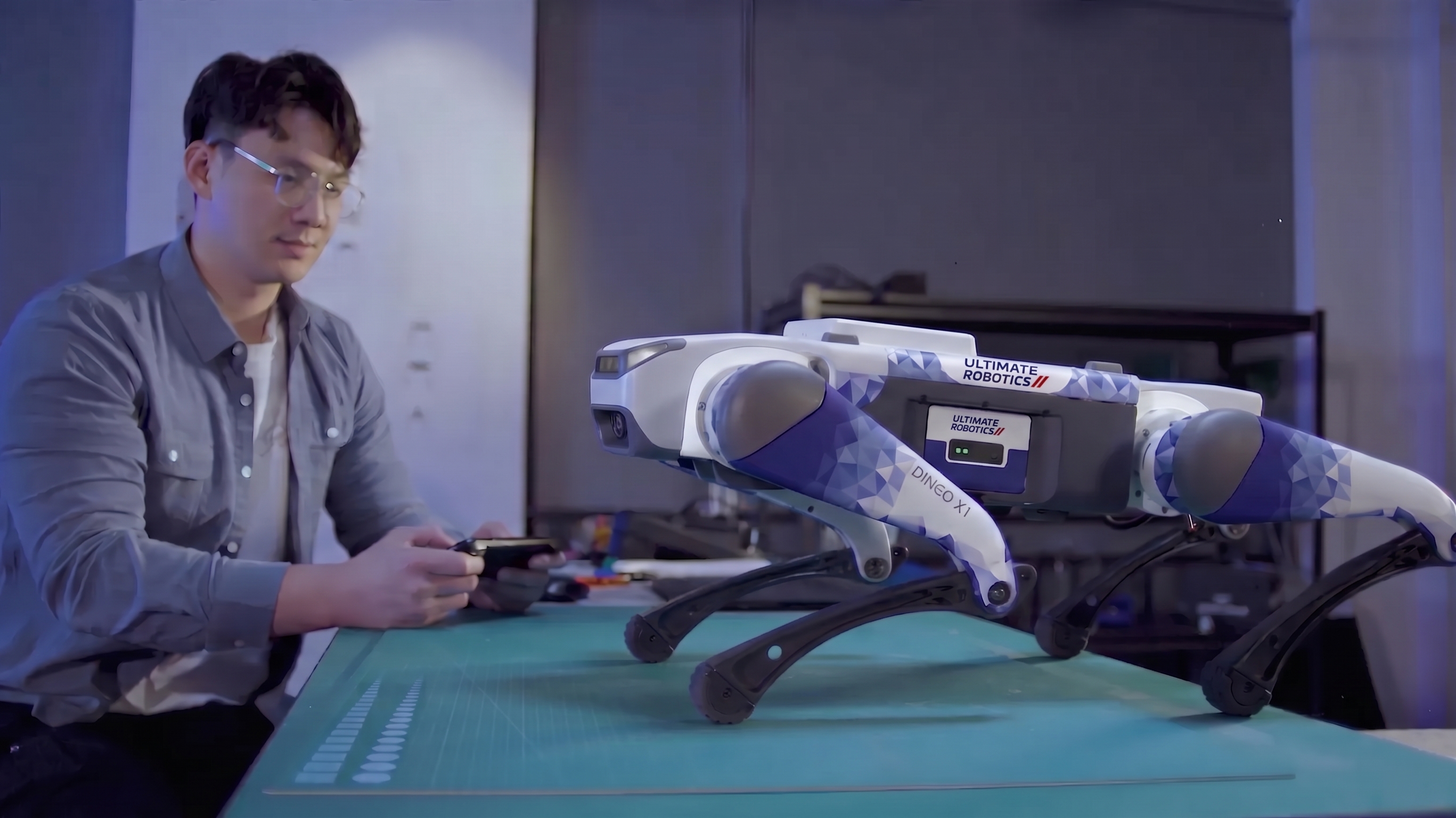
Campus patrol & hands-on robotics research
Our range of outdoor and all-terrain ground robots — quadruped and wheel-leg hybrid platforms built to patrol grounds and entrances, and to double as an open, programmable platform for STEM coursework and robotics R&D. Across the range, DINGO spans compact, open-SDK units well suited to student programming and coursework through to a flagship platform used for perimeter coverage and as a live demonstration asset at open days and innovation events.
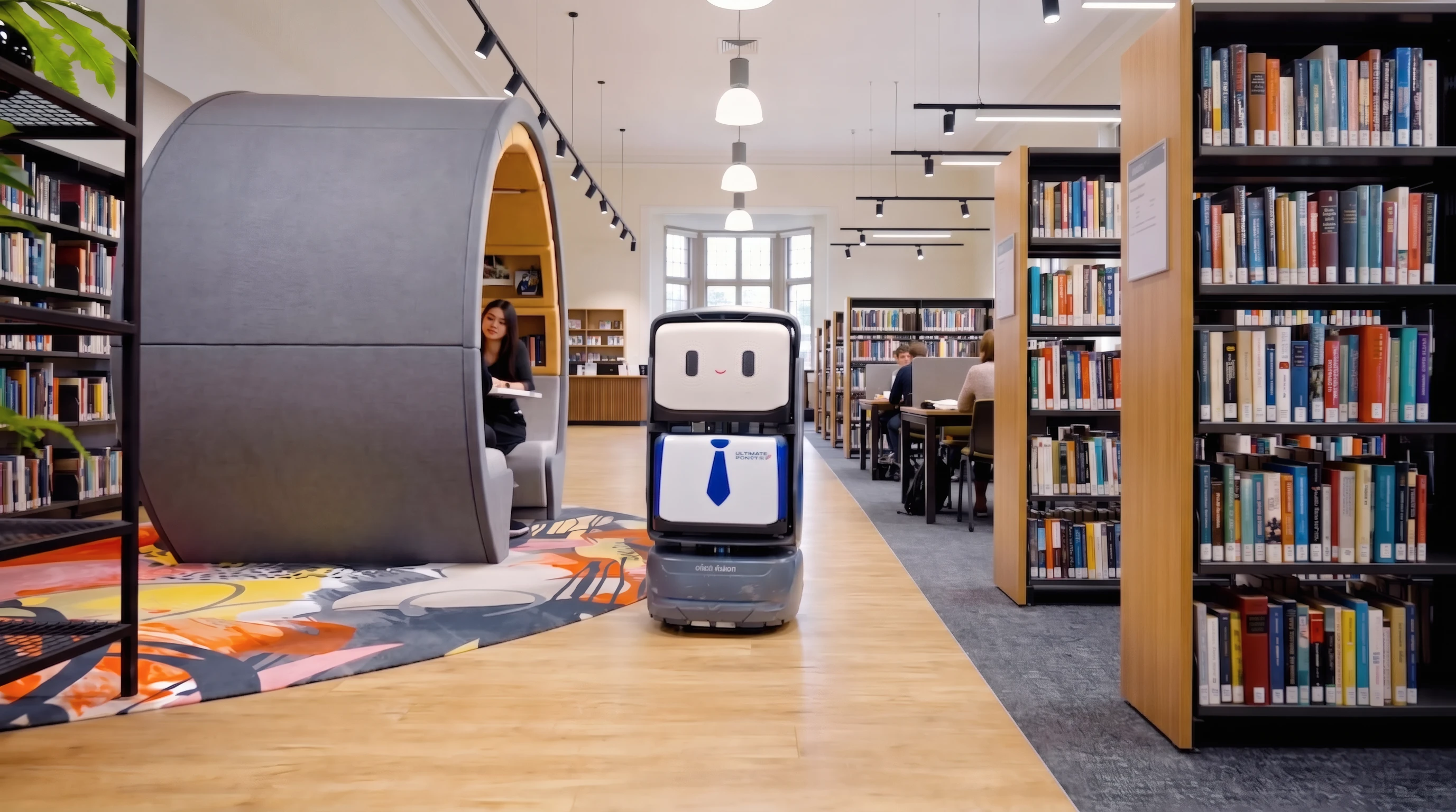
Entrance guarding, corridor patrol & internal delivery
Our range of multifunctional autonomous mobile robots (AMRs) — built to hold presence at campus entrances, patrol corridors and grounds between periods, and run scheduled delivery of mail, equipment and library returns between buildings during the day. The same fleet switches roles by time of day — delivery during school hours, security patrol after hours — turning one investment into two jobs instead of a second business case.
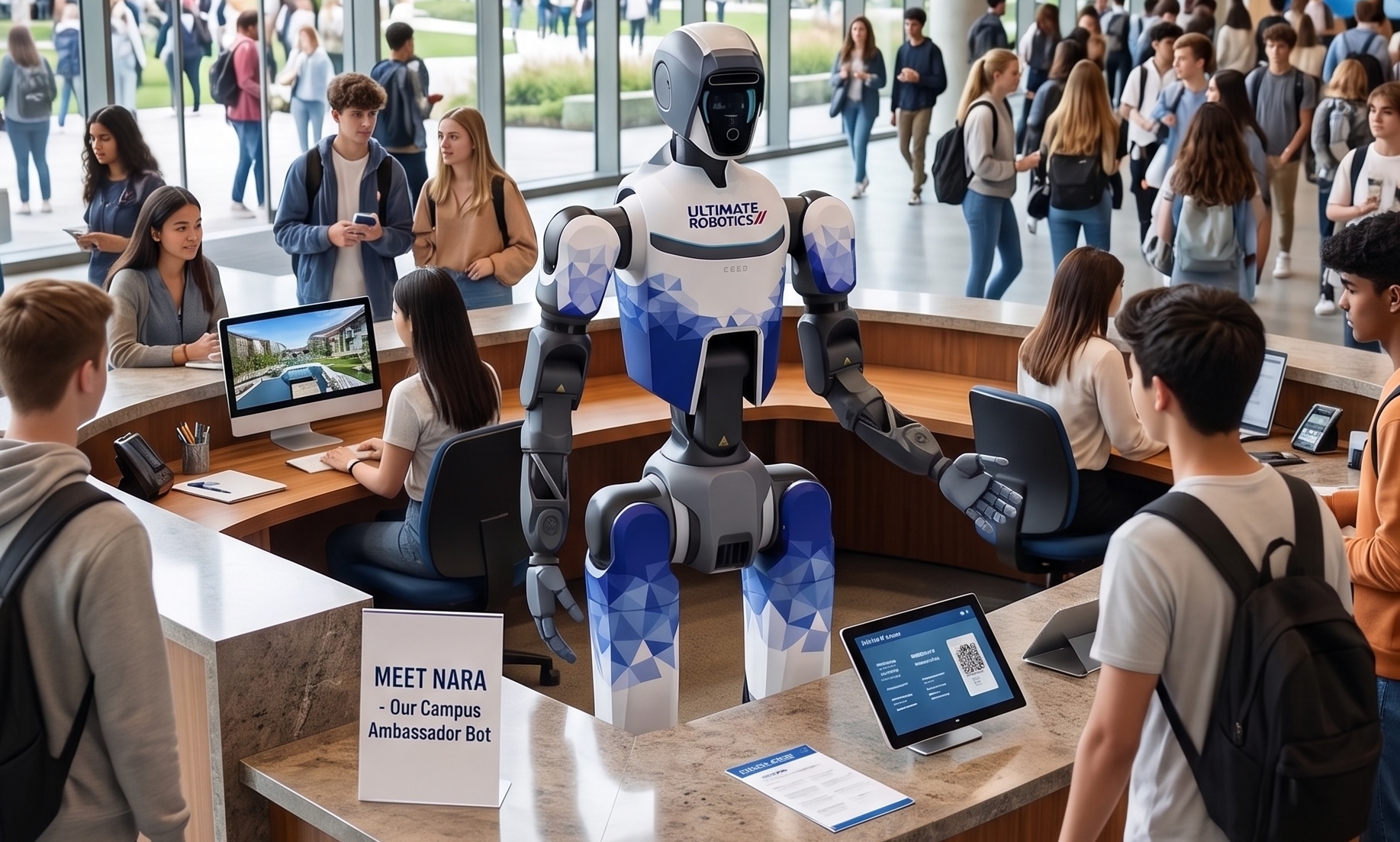
Campus reception & visitor engagement
Our industrial humanoid robot — a bipedal, human-form platform built for roles calling for natural interaction and a higher level of situational awareness than a wheeled or four-legged platform offers. Worth a conversation for campuses wanting a visible presence at reception, an open day or a high-traffic public event.
Frequently Asked Questions
Can't find what you're looking for? Contact our team to discuss your specific site and compliance requirements.